Chatter Marks
Chatter Marks is a podcast of the Anchorage Museum, dedicated to exploring Alaska’s identity through the creative and critical thinking of ideas—past, present and future. Featuring interviews with artists, presenters, staff and others associated with the Anchorage Museum and its mission.
Listen on:



Episodes

Sep 2, 2025
Sep 2, 2025
1 hr 7 min
Elizabeth Merritt is the founding director of the Center for the Future of Museums at the American Alliance of Museums. It’s her job to track cultural, technological, environmental, political and public health trends — and figure out what they might mean for museums and the communities they serve. She thinks about things like: what role could blockchain play in the art world? Could it allow artists to permanently bake royalties into their work, so that they get a share on future resales? Could museums help lead that kind of change? For Elizabeth, this is personal work: growing up, museums were her favorite places to learn and explore. She did well in school, but she learned more wandering the halls of the Cleveland Museum of Natural History on her own. It was a space that nurtured her curiosity. And that curiosity, a belief that museums are places where we can choose to learn, shapes how she sees the future.
Elizabeth says that she approaches her work like a classic futurist: she reads widely — from academic research to news articles to social media — absorbing as much as she can across disciplines. She also draws inspiration from science fiction, especially dystopias, usually the ones that highlight problems and pathways forward. But her job isn’t just about anticipatory practices and strategic foresight, it’s about preparing museums for the future. So, she’s careful to distinguish trends from fads — trends have direction and persistence, while fads fade. For example, when it comes to climate change, she sees museums as cultural institutions as well as potential anchors of community resilience, helping people adapt to extreme heat, cold and severe weather. Still, she says the biggest challenge right now is twofold: how museums can remain economically sustainable and intellectually independent — and, more importantly, how they can hold on to public trust. Museums are among the most trusted institutions in American life, and she believes that trust is a powerful tool for reshaping a better world.
In this Chatter Marks series, Cody and co-host Dr. Sandro Debono talk to museum directors and knowledge holders about what museums around the world are doing to adapt and react to climate change. Dr. Debono is a museum thinker from the Mediterranean island of Malta. He works with museums to help them strategize around possible futures.

Aug 18, 2025
Aug 18, 2025
1 hr 15 min
Julie Decker is the director and CEO of the Anchorage Museum. But before that she practiced as an artist and ran her own art gallery. Since then she’s fostered a belief in the power of museums to spark action — whether that means picking up a paintbrush, reading a new book, or seeing the world differently. Her connection to the Anchorage Museum runs back to childhood, when it was little more than a single room with a borrowed collection. Her dad was a visual artist and an art teacher; he was her earliest and most influential guide into that world. He taught her to be an observer — to notice the small things — and she watched as his own work appeared in solo shows and juried exhibitions at the museum. So, for Julie, the Anchorage Museum isn’t just a workplace; it’s been a constant presence in her life, shaping her sense of art, community and possibility.
In the work she does now, Julie envisions the Anchorage Museum as less a keeper of artifacts and more of a living platform for Alaska’s stories. It acts as a collaborator and a partner — a place that listens to communities, amplifies the voices of Alaskans and connects local narratives to global conversations. In her view, Alaska’s relatively small population allows individual creativity and innovation to ripple widely, making it vital to highlight imaginative thinkers, cultural disruptors and non-Western ways of knowing. That means rethinking what it means to collect — not simply holding objects, but being a responsible host and steward of the stories they carry.
In Alaska, where the natural world shapes identity and guides daily life, the museum’s role is to reflect how environmental change, Indigenous lifeways and community resilience intersect. Some projects take the form of exhibitions, others emerge as films, books, podcasts, newspaper series, or collaborations with musicians. Whether the work is local or part of an international conversation, Julie believes it must be rooted in place — fluid, adaptable and focused on a shared future that feels possible and inhabitable.
In this Chatter Marks series, Cody and co-host Dr. Sandro Debono talk to museum directors and knowledge holders about what museums around the world are doing to adapt and react to climate change. Dr. Debono is a museum thinker from the Mediterranean island of Malta. He works with museums to help them strategize around possible futures.

Jul 30, 2025
Jul 30, 2025
1 hr 11 sec
Annesofie Norn is the Head of Communications and Lead Curator at the Museum for the United Nations, or UN Live for short. With a background in placemaking and art practice, she specializes in designing experiences that resonate across borders and mediums. Her work often explores how art and storytelling can serve as powerful tools for social transformation on a global scale. Before joining UN Live, she worked on art exhibitions and contemporary theatre productions, which often explored hidden stories by posing unexpected questions and making surprising connections. She brings that same curiosity and creative instinct to her work today, helping reimagine how global stories are told and shared.
At UN Live, Annesofie is helping shape what she calls a “borderless museum” — one without a physical building — designed to meet people where they already are. UN Live operates through the power of popular culture, creating immersive experiences that extend beyond traditional museum walls. It aims to tap into the cultural spaces people already love — like music, film, sports and gaming — and use those genres to spark awe, empathy and meaningful action. Rather than asking people to enter a curated space, UN Live enters theirs, collaborating with local communities and cultural traditions to develop initiatives that feel relevant and transformative. Whether it’s amplifying unheard voices or suggesting new ways of being in the world, the work of UN Live is about using the material of society to imagine better futures.
In this Chatter Marks series, Cody and co-host Dr. Sandro Debono talk to museum directors and knowledge holders about what museums around the world are doing to adapt and react to climate change. Dr. Debono is a museum thinker from the Mediterranean island of Malta. He works with museums to help them strategize around possible futures.
Jul 15, 2025
Jul 15, 2025
1 hr 16 min
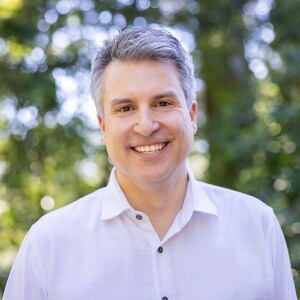
Mike Radke is the co-founder and executive director of The Ubuntu Lab, a global education nonprofit that teaches people how to navigate cultural differences with curiosity, humility and empathy. Mike approaches the world with a learner’s mindset, believing he almost always has more to learn than to contribute. For him, that belief isn’t abstract, it’s personal, shaped by years of travel, work in public health and education, and a formative interaction nearly two decades ago with Archbishop Desmond Tutu in South Africa. The two met after a sermon in Cape Town, where Tutu spent hours speaking with Mike about his research on post-apartheid reconciliation. That conversation planted a seed: that forgiveness and collective healing aren’t just moral ideals, they’re practical tools for building communities that can hold disagreement, endure pain and still move forward together.
The Ubuntu Lab began as an academic project, Mike’s dissertation on nonviolence. It’s since grown into a living, breathing network of workshops, learning spaces and small-scale initiatives in over 40 countries. Its mission is to foster empathy and understanding — especially among young people — by encouraging honest, sometimes uncomfortable conversations about identity, belonging and conflict. At its core is the African philosophy of ubuntu: “I am because we are.” Mike and his collaborators co-create experiences that are less about delivering answers and more about sparking dialogue — sessions built around provocation, open-ended questions and the idea that everyone in the room has something to contribute. Rather than build a single institution, they embed within communities, remaining flexible, responsive and grounded in relationships.
In this Chatter Marks series, Cody and co-host Dr. Sandro Debono talk to museum directors and knowledge holders about what museums around the world are doing to adapt and react to climate change. Dr. Debono is a museum thinker from the Mediterranean island of Malta. He works with museums to help them strategize around possible futures.
Jun 30, 2025
Jun 30, 2025
1 hr 9 min
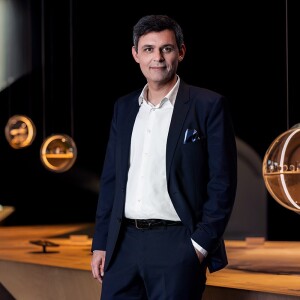
Dr. Stefan Brandt is the Director of Futurium in Berlin, a hybrid museum experience and public platform dedicated to exploring the future. With a background in literature, philosophy, cultural studies — and a lifelong interest in music — Dr. Brandt has worked at the intersection of culture, science and civic life. Before leading Futurium, he held senior roles at major cultural institutions across Germany, where he championed interdisciplinary thinking and public engagement. He says it’s always been his intention to make a change, to improve the institutions he leads and, more broadly, to contribute to a better society. At Futurium, that mission continues: creating a space where people are invited to learn about the future and how they can help shape it.
Futurium isn’t a traditional museum, it doesn’t have a permanent collection or fixed exhibitions. Instead, it operates as a dynamic, evolving space designed to spark curiosity and conversation about the future. Dr. Brandt describes this absence of static artifacts as both a freedom and a challenge: it allows Futurium to be more agile and responsive, but it also requires continual reinvention. At its core is a question posed to every visitor: “How do I want to live?” To help people grapple with that question, Futurium presents ideas and scenarios grounded in science, media trends and public discourse. Each major theme — like the future of housing, health, nutrition, or democracy — is developed over time through in-depth research and collaboration with experts. Rather than offering definitive answers, Futurium encourages people to imagine and help shape a sustainable, participatory future.
In this Chatter Marks series, Cody and co-host Dr. Sandro Debono talk to museum directors and knowledge holders about what museums around the world are doing to adapt and react to climate change. Dr. Debono is a museum thinker from the Mediterranean island of Malta. He works with museums to help them strategize around possible futures.
Jun 21, 2025
Jun 21, 2025
58 min
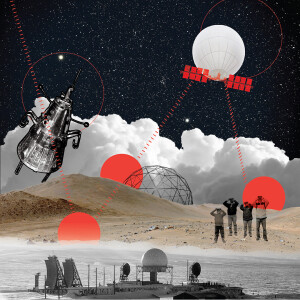
In this episode, we explore the lingering impact of the Cold War on Alaska, a state that stood on the frontlines of a global standoff. Through perspectives rooted in art, journalism, history, and geopolitics, we trace how Cold War-era decisions reshaped Alaska’s communities, economy, environment and sense of identity. And how it continues to influence Alaska’s security policies and relationship with the rest of the world.
May 26, 2025
May 26, 2025
1 hr 31 min
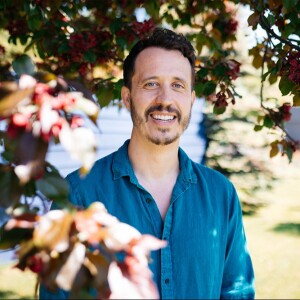
Ben Kellie is an entrepreneur, a writer and someone who’s spent a lot of time thinking about how to build things that matter. He grew up in Alaska, learning to fly planes with his dad. It was a hands-on education in problem-solving, resilience and staying calm under pressure. That mindset carried him through early work on rocket launches and landings at SpaceX, and later, into founding The Launch Company, a startup that developed modular, scalable launch systems for rockets. He sold it in 2021. These days, he’s working on a new venture called Applied Atomics, building compact nuclear power systems that are designed to provide energy-intensive industries with clean, reliable power. More than anything, though, he’s interested in where Alaska fits into the global future: how we move beyond boom-and-bust cycles, invest in our own talent and create businesses that are both rooted here and relevant everywhere.
Ben says that the investment he’d like to be known for hasn’t happened yet, but his goal is to demonstrate what’s possible in Alaska. That includes moving beyond our dependence on oil, and considering where Alaska’s people and economy might be in 50, 100, or even 1,000 years from now. While the specifics of future technology are hard to predict, some needs remain constant: food, clean air, clean water and reliable energy. These are the issues he focuses on when he thinks about the problem he would like to be known for solving. They’re ones that meet basic human needs. And writing helps him work through these ideas. He says it’s a tool for making sense of complex decisions, checking assumptions and mapping the long view. It’s also how he slows down, reflects and emotionally processes what he’s building. Because, for him, it all comes back to family and community.
May 7, 2025
May 7, 2025
1 hr 31 min
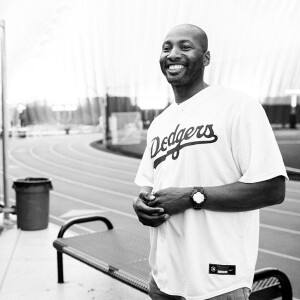
Jamar Hill is a coach now, but before that, he was a pro baseball player in the Mets organization. He grew up in Anchorage, where playing baseball wasn’t always easy: limited facilities, long winters and not much opportunity to play year-round. He says that in Alaska, you get about a quarter of the playing time compared to other places. But in a way, that made him love the game even more. As a kid, he followed the Alaska Baseball League, one of the best summer leagues in the country. It brought in top talent every year — future first-round draft picks — and watching those games gave him an early sense of how the baseball world worked. By the time he was 16, most of the teams he played on included at least one future Major League player. And by the end of high school, he was drafted by the Mets. He became one of their top power prospects — a lefty bat who hit right-handed pitching especially well. He went on to hit over 100 professional home runs. But beyond the stats, it was his early exposure to high-level talent, and his ability to adapt, that shaped his perspective. That perspective is still with him today — as a coach, a mentor and someone who’s all about creating opportunities for the next generation.
Today, Jamar is focused on giving back to the community that raised him. As a youth coach and founder of RBI Alaska, he’s spent the last 10 years helping young athletes grow — as players and as people. He’s currently leading the development of the Mountain View Field House, a year-round indoor training facility that will give local kids access to the kind of resources he didn’t have growing up. For him, coaching isn’t just about skill development, it’s about building character, creating opportunity and showing kids that their environment doesn’t have to limit their ambition. He mentors with intention, using his own experiences in professional baseball to help young players navigate the mental, emotional and physical sides of the game. Through that work, he’s helping shape confident, resilient athletes who are prepared for whatever comes next, on the field or off.